The Psychology of Money: Timeless Lessons on Wealth, Greed, and Happiness by Morgan Housel is not a typical personal finance book. It does not teach readers how to analyze a balance sheet, pick winning stocks, or build a complicated investment strategy. Instead, it explores something much more important and often overlooked: how people think, feel, and behave around money. This is what makes the book powerful. Housel argues that financial success is not only about intelligence, income, or technical knowledge. More often, it is about patience, humility, behavior, emotional control, and understanding your own relationship with money.
A Book That Makes Finance Feel Human
One of the strongest points of The Psychology of Money is its accessibility. Morgan Housel writes in a calm, conversational style that makes complex financial ideas feel simple without making them shallow. He uses stories, historical examples, and psychological insights to explain why financial behavior is often more important than financial knowledge.
Many personal finance books assume that people make money decisions based on logic. Housel takes a different approach. He shows that people make financial decisions based on their personal experiences. Someone who grew up during a recession may think about risk very differently from someone who came of age during a booming stock market. A person who has experienced poverty may value financial security more than aggressive wealth building. This point is especially important because it helps readers become less judgmental. We may think another person is being reckless or too conservative, but their behavior may make sense when viewed through their own life experience.
This human-centered approach is one reason the book has become so popular. It does not talk down to readers. It does not promise overnight wealth. Instead, it encourages readers to understand themselves better. That alone makes it different from many books in the finance category.
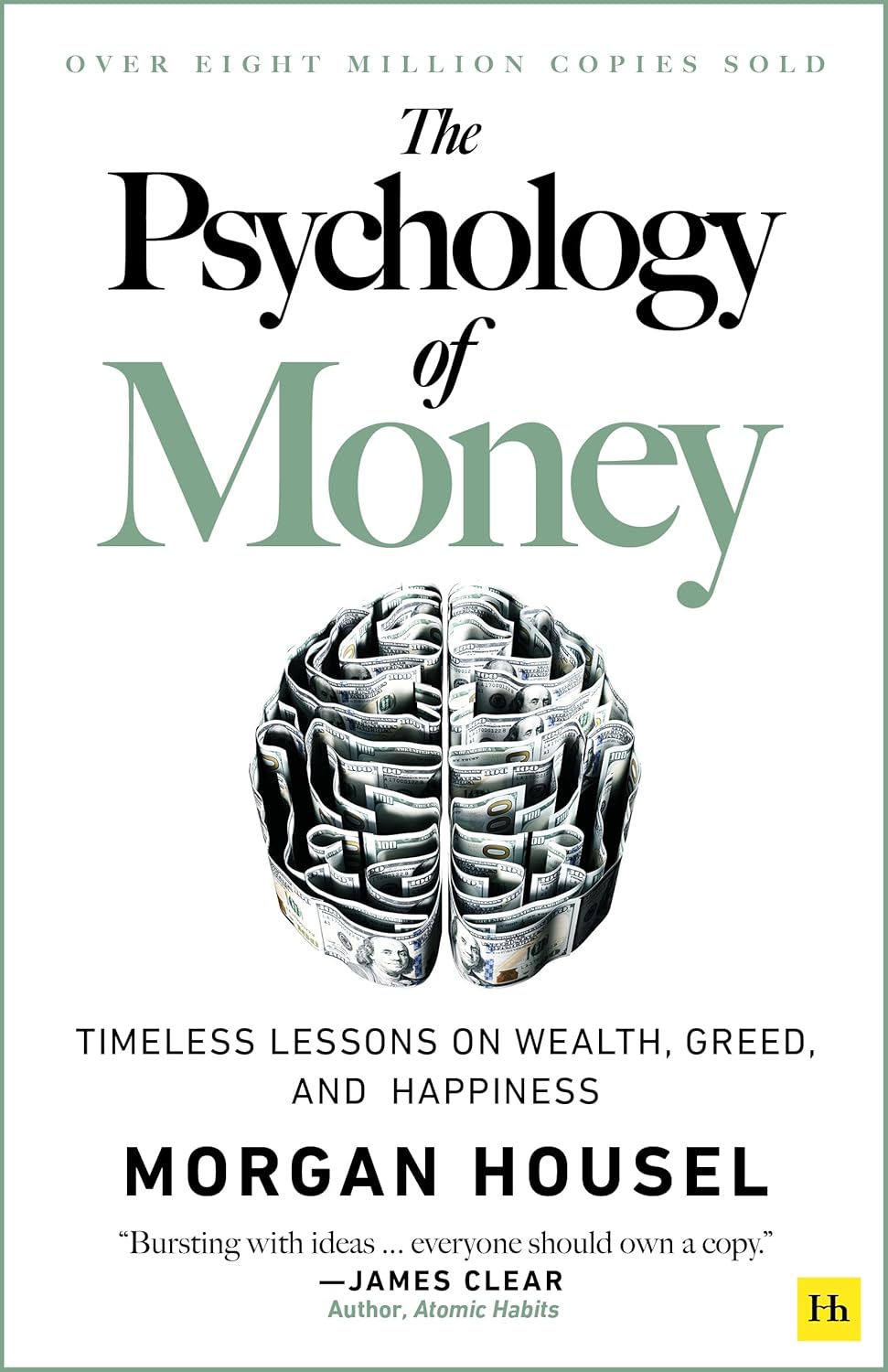
The Psychology of Money Review: Timeless Lessons on Wealth, Greed, and Happiness
The Key Lessons: Wealth, Greed, Risk, and Enough
One of the most memorable lessons in the book is the difference between being rich and being wealthy. Being rich is visible. It may mean expensive cars, luxury watches, large houses, and a lifestyle that attracts attention. Wealth, on the other hand, is often invisible. It is the money not spent, the investments quietly growing, and the freedom created by living below your means. This distinction is simple but extremely valuable. Many people chase the appearance of wealth while sacrificing actual financial security.
Housel also spends a lot of time discussing the idea of “enough.” This may be one of the most important themes in the book. Greed often appears when people move the goalpost endlessly. They reach one financial milestone, then immediately want more. There is nothing wrong with ambition, but when ambition turns into comparison and insecurity, money can become a source of stress rather than freedom. Housel reminds readers that knowing what is enough is not weakness. It is wisdom.
The book also highlights the role of luck and risk. In financial success stories, people often focus on skill, effort, and intelligence. Those things matter, but Housel argues that luck also plays a larger role than most people admit. At the same time, failure is not always caused by poor decisions. Sometimes risk simply shows up. This lesson helps readers become more humble when they succeed and more compassionate when others fail.
Another powerful lesson is the importance of time. Housel explains that compounding is one of the most powerful forces in finance, but it requires patience. The biggest financial rewards often come not from dramatic action but from staying invested, avoiding unnecessary mistakes, and allowing time to do its work. This idea is easy to understand but difficult to practice because modern culture rewards speed, excitement, and constant activity.
Why This Book Is Valuable for Modern Readers
In today’s world, financial advice is everywhere. Social media is filled with people talking about investing, crypto, real estate, passive income, online businesses, and financial freedom. Some advice is useful, but much of it creates pressure and unrealistic expectations. The Psychology of Money stands out because it does not push readers into chasing trends. Instead, it encourages long-term thinking, emotional discipline, and personal clarity.
This book is especially useful for readers who feel overwhelmed by financial decisions. It reminds us that we do not need to be perfect investors to build a better financial life. We need to avoid destructive behavior, save consistently, manage risk, and make decisions that fit our own goals. Housel makes it clear that personal finance is deeply personal. A good financial decision is not always the one that looks best in a spreadsheet. Sometimes, the best decision is the one that helps you sleep peacefully at night.
Another reason the book works well is that it connects money with happiness. Many people assume that more money automatically creates a better life. Housel does not deny that money matters. In fact, he argues that the greatest value of money is control over your time. Money can give you options, flexibility, independence, and the ability to spend more of your life in ways that feel meaningful. This is a refreshing perspective because it moves the conversation away from status and toward freedom.
The book also warns against overconfidence. Many investors believe they can predict the market, time economic cycles, or consistently outperform others. Housel suggests that humility is a major financial advantage. The future is uncertain, and good planning should leave room for error. This concept is practical and realistic. A person who leaves room for mistakes is more likely to survive difficult periods and benefit from long-term growth.
Writing Style and Reading Experience
Morgan Housel’s writing style is one of the biggest strengths of the book. The chapters are short, clear, and memorable. The language is simple, but the ideas are deep. Readers do not need a background in finance to understand the book. That makes it suitable for beginners, business owners, investors, students, and anyone who wants to improve their relationship with money.
The book is also easy to revisit. Because each chapter focuses on a separate lesson, readers can return to specific sections whenever they need perspective. It is the kind of book that can be read quickly, but it rewards slow reading. Many sentences feel like advice from someone who has spent years observing both markets and human nature.
However, readers looking for a step-by-step financial plan may find the book less practical in a technical sense. It does not provide detailed budgeting templates, stock recommendations, or investment formulas. That is not its purpose. The book is more about mindset than mechanics. For many readers, this is actually its greatest advantage. Technical strategies change over time, but human behavior remains surprisingly consistent.
Final Verdict
The Psychology of Money is one of the most thoughtful and useful books about personal finance because it focuses on the part of money that affects everyone: behavior. Morgan Housel does not try to impress readers with complicated theories. Instead, he explains timeless principles in a way that feels honest, practical, and emotionally intelligent.
The book teaches that building wealth is not simply about earning more or finding the perfect investment. It is about managing expectations, avoiding unnecessary risks, understanding the power of time, knowing when enough is enough, and using money to create freedom rather than pressure. These lessons are valuable for anyone, regardless of income level.
For readers who want a smarter, calmer, and more realistic view of money, this book is highly recommended. It may not tell you exactly where to invest your next dollar, but it can help you become the kind of person who makes better financial decisions over a lifetime. That is far more valuable than a short-term tip or a temporary market prediction.
In the end, The Psychology of Money is not just a book about wealth. It is a book about self-awareness, patience, freedom, and happiness. It reminds us that money is not only something we earn, save, or invest. It is something we live with emotionally every day. Understanding that may be one of the most important financial lessons of all.